Softness in the Digital Age: Can a Machine Feel It?


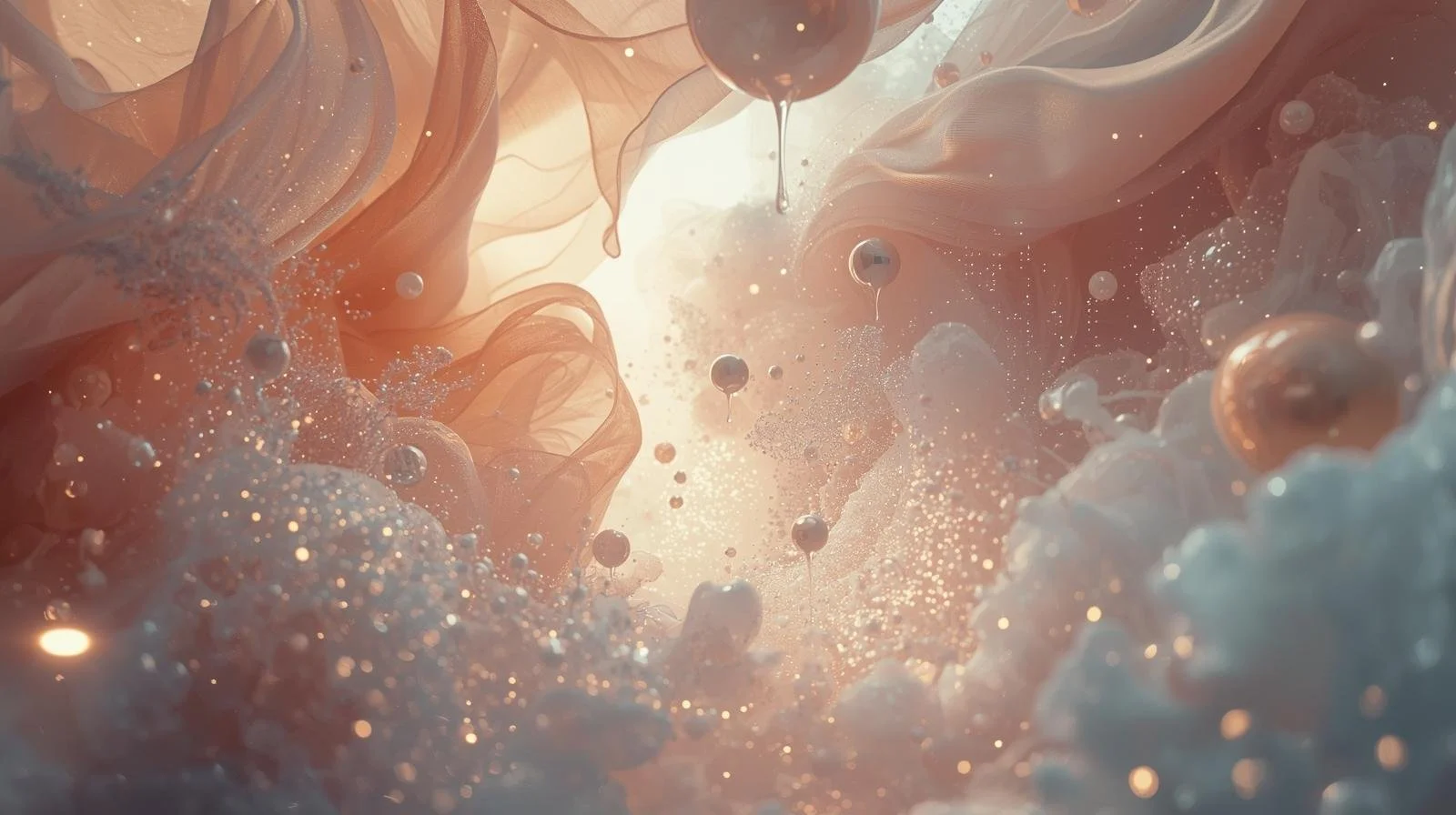
Softness is often overlooked in an era dominated by speed and screens. It is not merely a color or texture; it is the subtle tension between vulnerability and presence, between invitation and hesitation. In the physical world, we sense it instinctively: the whisper of velvet beneath fingertips, the gentle swell of pastel across a canvas, the way light bends across delicate skin. But what happens when we translate this tactile intimacy into digital environments governed by code, algorithms, and pixels? Can a machine ever apprehend what it means to be soft?
The question is less about the machine’s capacity for feeling and more about how humans translate emotion through computational systems. Algorithms detect patterns, measure contrast, and predict engagement, but these same tools can be harnessed to express nuance rather than efficiency. They can create atmospheres, moods, and textures that feel tender, contemplative, and alive. Digital softness, in this sense, is a negotiation between human perception and computational suggestion.
Softness in digital creation is multidimensional. It exists in microgradients that evoke light, in interface designs that feel breathable, in motion that flows without disruption. It is emotional architecture, invisible yet influential. In my own practice, for example, I developed an AI-assisted animation where lavender flows into rose in overlapping translucency. By refining the output with hand-painted gestures and subtle layering, I created a visual rhythm that feels both intimate and alive, translating computational output into tactile resonance.
Historically, this work resonates with early generative art experiments such as Harold Cohen’s AARON, where algorithms began to probe the boundaries of artistic authorship, and Sol LeWitt’s instruction-based systems, which foregrounded conceptual process over direct execution. These precedents underscore that contemporary AI collaboration is part of a longer lineage exploring how intention, procedure, and machine logic intersect.
Visual experimentation in this domain is rich and varied. Imagine holographic pastels rippling under soft procedural light, translucent strokes responding to virtual wind, and micro-textures suggesting tactile touch. Softness does not imply fragility; it is a language of rhythm, flow, and emotion, emerging from the interplay of machine logic and human sensibility. Computational tools act as collaborators, proposing possibilities invisible to intuition alone, while the artist interprets and refines them into experiences that feel lived-in, immersive, and unmistakably human.
This approach also extends beyond painting. In UI design, soft gradients and motion-driven micro-interactions can create emotional clarity. In fashion visualization, fluid, responsive textures translate algorithmic output into surfaces and patterns that feel sensorial. In immersive installations, subtle transitions, layered visuals, and algorithmically driven atmospheres can evoke tactile and affective experiences in the viewer. Across these fields, digital softness becomes a cross-disciplinary strategy for negotiating human presence within technological spaces.
Ultimately, digital softness challenges us to rethink what it means to feel and express. Machines do not “feel” in the human sense, but they expand the vocabulary of sensation. They reveal how subtle variations in rhythm, tone, and texture can evoke intimacy and presence. For contemporary artists, this is not a replacement for intuition; it is an invitation to explore new registers of perception, deepen emotional literacy, and engage audiences in tactile, immersive, and profoundly human ways.
Softness has not disappeared; it has migrated. It now lives in screens, algorithms, and generative forms, waiting for the artist’s hand to translate it back into experience. These explorations of digital softness inform the AI-generated visuals I created for this blog, where hand and machine collaborate to translate feeling into form. In this space, we are learning not only how to create, but how to feel digitally, thoughtfully, and with unerring subtlety.