Projection and Reflection: Cinema as Material for Painting
Light is more than illumination: it is a medium, a brush, a collaborator. Contemporary painters are increasingly looking to cinema not just for composition or color, but for its physicality: the way images project, reflect, and inhabit space.
The canvas becomes a screen, yet it retains its material resistance. It is a stage for both perception and tactile exploration, a hybrid between film and paint.
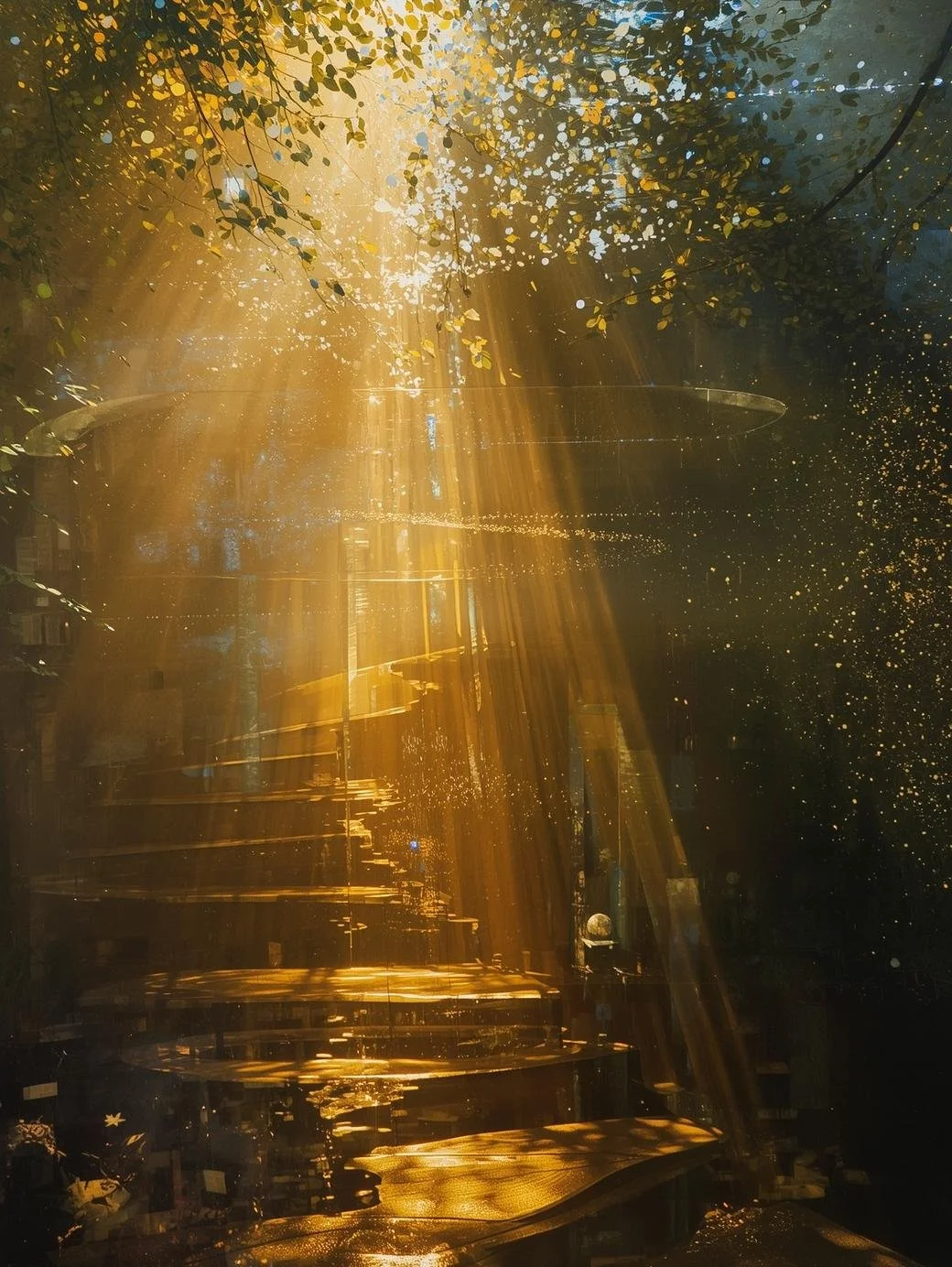
Consider the dreamlike sequences of Terrence Malick’s The Tree of Life: sunlight filtering through leaves, dust suspended in golden beams, and liquid reflections that transform mundane surfaces into cosmic landscapes. Painters translate this by layering translucent glazes, metallic pigments, and reflective varnishes, creating surfaces that shimmer, shift, and dissolve depending on the viewer’s angle, almost like cinematic light trapped in pigment.
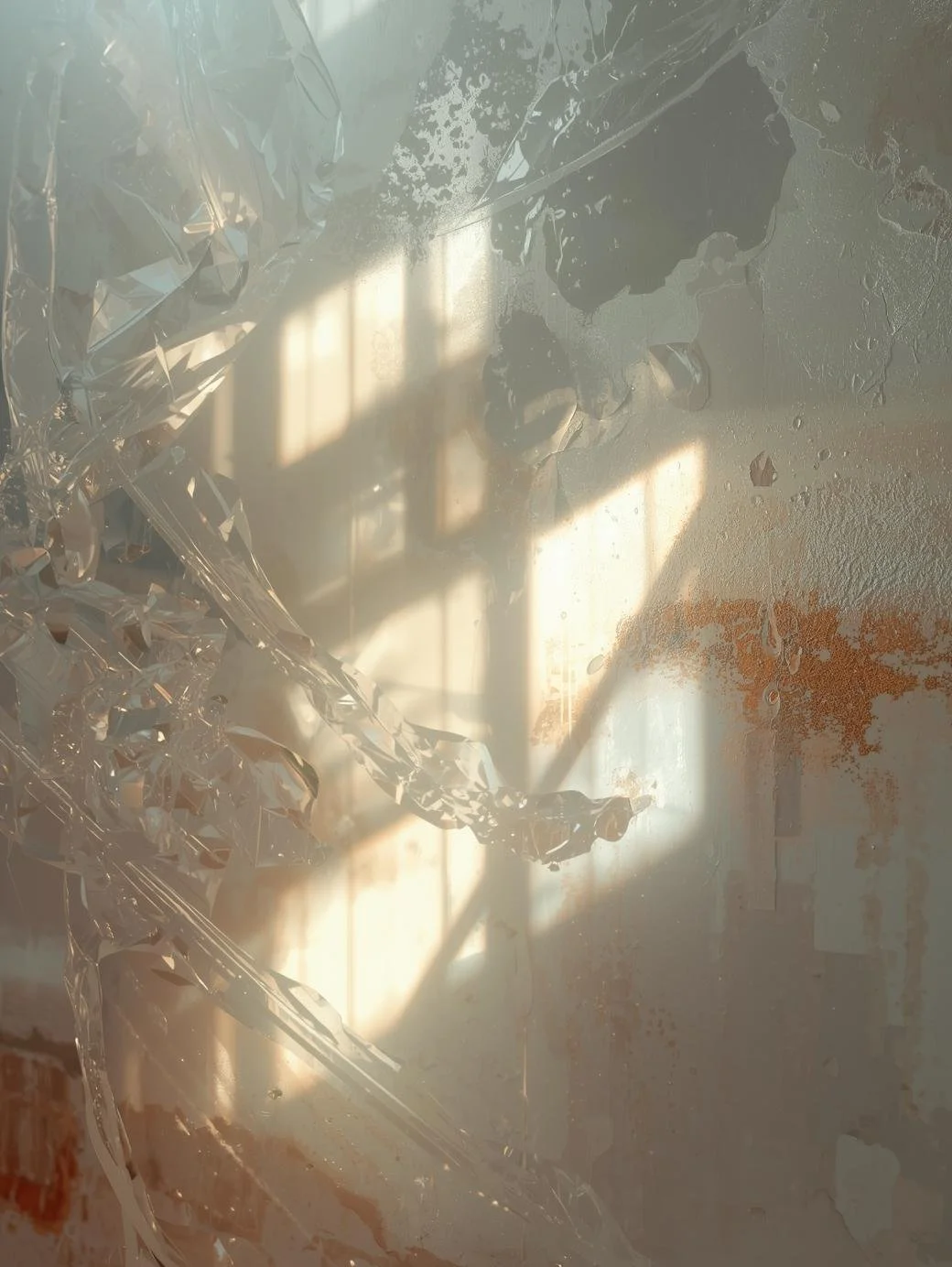
Juxtapose that with Maya Deren’s experimental films, where shadow, repetition, and mirrored spaces create dislocations of perception. Painters inspired by Deren might project moving images onto canvas, tracing outlines, scraping away, or layering paint over flickering sequences. The result is a dialogue between motion and stillness, between projected illusion and tangible materiality. Here, cinema becomes a collaborator, not a template: it informs texture, rhythm, and narrative without dictating it.
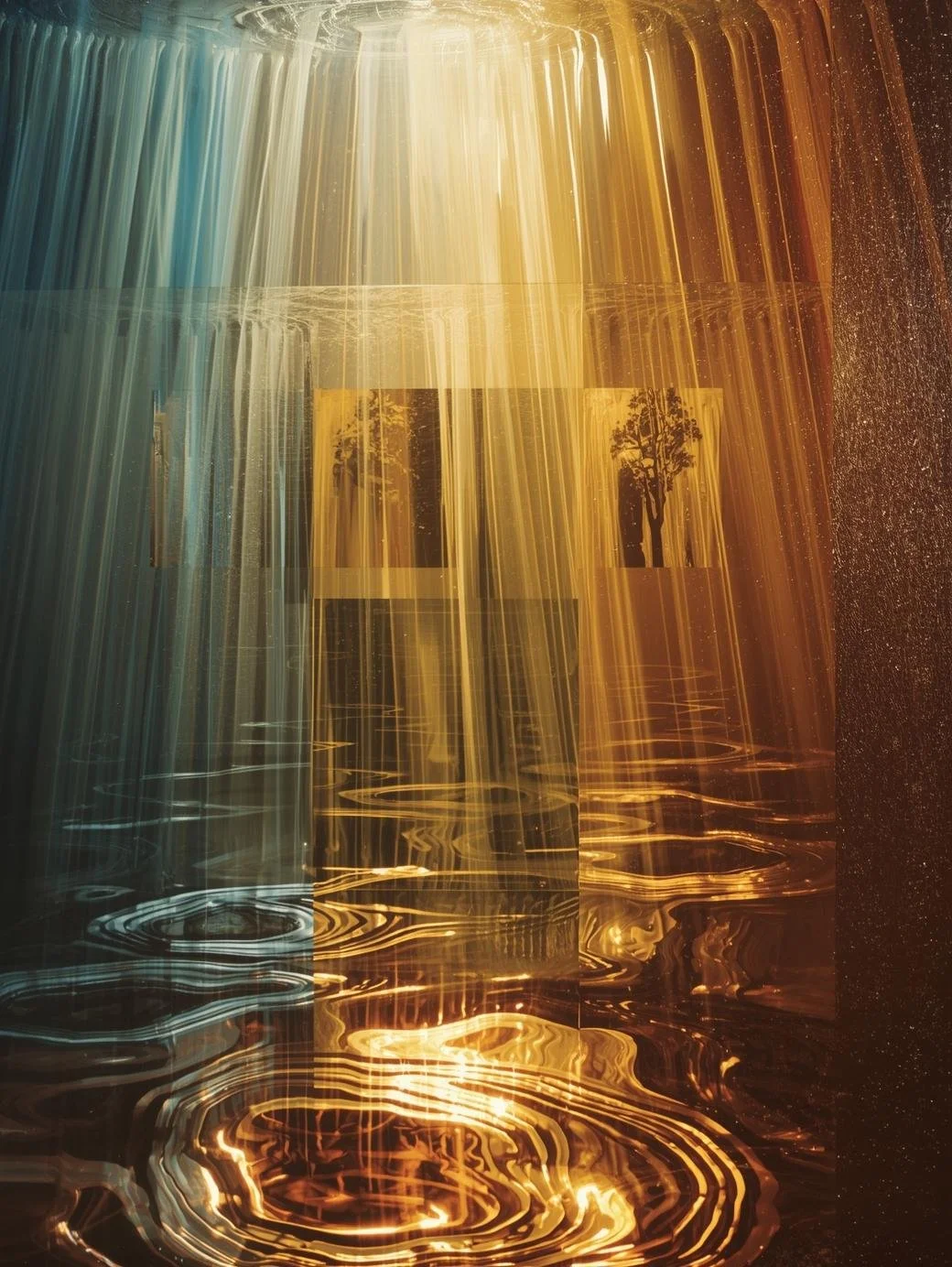
Painterly references also enrich this exploration. Think of James Turrell’s work with light, or Gerhard Richter’s blurred abstractions: the interplay of reflection, opacity, and surface tension transforms perception, making the viewer hyper-aware of both the image and their own gaze. Cinema teaches painters to choreograph light dynamically, while painting allows for the physicality of resistance and texture, creating hybrid experiences that are simultaneously seen and felt.
Technically, contemporary artists employ projection mapping, layering video over canvas, or even interactive lighting systems. Some trace frames, others respond intuitively to movement, and some integrate AI-generated sequences, producing patterns or gestures that inform brushstroke decisions. The studio becomes a site of optical experimentation, where the moving image is not just observed. It interacts with pigment, resin, and surface to generate new forms of meaning.
Philosophically, projection and reflection interrogate how we perceive presence, time, and reality. The flicker of light, the shimmer of reflection, the overlap of shadow and paint, all challenge the viewer to reconcile motion and stillness, illusion and material. Each canvas becomes a meditation on the ephemeral qualities of perception, a tangible record of the intangible interplay between sight, memory, and imagination.
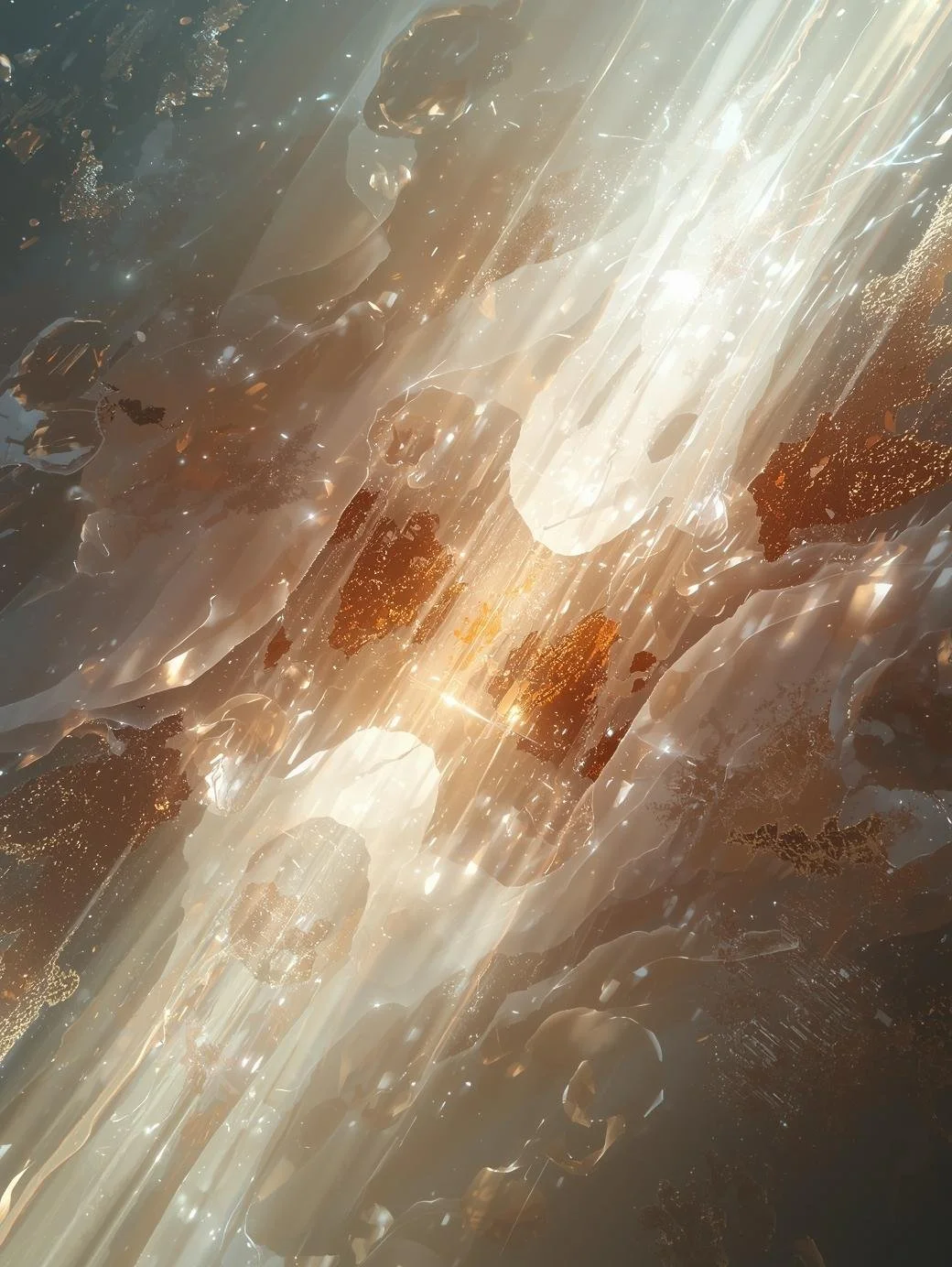
Ultimately, when cinema is treated as material, painting transcends its boundaries. Projected light, reflective surfaces, and layered textures create artworks that exist in dialogue with space, motion, and perception. The viewer becomes aware of both the mechanics of seeing and the poetry of experience: a brushstroke is no longer just pigment. It is a fragment of narrative, a shard of cinematic time, a reflection of perception itself.