The Art of Editorial Storytelling
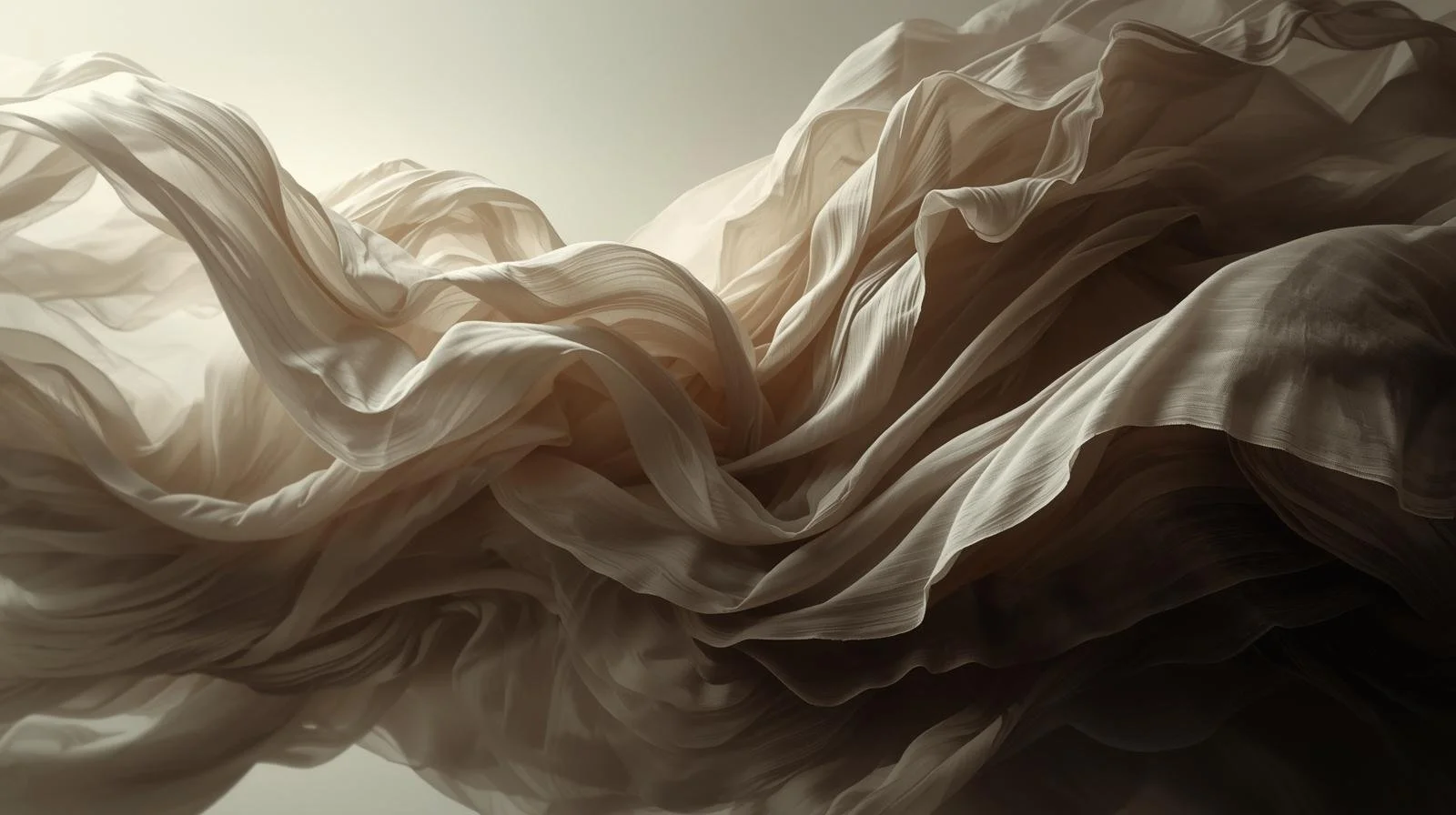
Editorial storytelling is seduction in slow motion. It is the deliberate choreography of gaze, gesture, color, and space, the way a frame whispers rather than shouts. In magazines, look books, and digital platforms, narrative does not reside solely in words; it inhabits the tension between image, typography, and layout, in the cadence of a model’s tilt of the head, the way light fractures across silk, the pool of shadow over a cheekbone. This is the grammar of desire: every editor a linguist of nuance, every photographer a composer of atmosphere.
There is a near-scientific intelligence at play. Data analytics, demographics, click-through rates, attention heat maps provide scaffolding. Which compositions linger? Which palette evokes pause, longing, aspiration? Yet metrics remain instruments; the story lives in the negotiation between quantitative insight and aesthetic instinct. A chart may reveal where a gaze falls, but intuition determines how to hold it there: to make the reader inhale the image, sense the temperature of silk, imagine the fleeting suggestion of perfume, and feel the emotional timbre of the page.
Editorial storytelling is cinematic by nature. I conceive the magazine as theatre, each page a shot, each spread a scene. Light, color, texture, and posture become narrative devices. A soft lavender haze over a monochrome outfit can signal vulnerability, ambition, or seduction; a high-contrast shadow may dramatize power, mystery, or refusal. Motion is implied, in the turn of a page, the sweep of a reader’s eye across typography, the model’s body gesturing toward the invisible. Every element is meticulously orchestrated, yet it must appear effortless, intimate, inevitable.
Like a painter, an editor works in layers. There is the literal layering, photography, styling, typography, and the conceptual layering: theme, cultural reference, emotional resonance. Consider archival imagery interacting with contemporary styling, or classical color theory filtered through digital manipulation. Editorial storytelling becomes a multidimensional canvas: the reader moves through it as one might a gallery, pausing, inhaling, decoding, sensing. Data serves as map; intuition as compass.
Soft femininity, quiet luxury, and subtle rebellion often inhabit these narratives. The editorial story seduces not through spectacle alone, but through intelligence. A hand poised over a silk lapel, a translucent sleeve brushing a wrist, a fleeting smile caught mid-gesture. These are both aesthetic and political signals, markers of aspiration and cultural literacy. They encode negotiation, desire, and identity into visual syntax. Editorial storytelling teaches readers not just what to see, but how to inhabit, interpret, and feel the narrative space.
The work is layered with dualities. Darkness flirts with light, irony dances with longing, subtle power balances softness. Every frame contains presence and absence, suggestion and declaration, rigor and abandon. The story emerges in tension: in the pause between spreads, in the rhythm of accumulation and revelation.
Technology amplifies this subtlety. Digital platforms permit microanalysis of engagement, tracking which compositions, palettes, and gestures resonate. Yet the most accomplished editors do not follow data slavishly, they converse with it, interpreting patterns, attending to anomalies, curating intuition. The story seduces because it balances prediction with surprise, insight with ambiguity. It feels alive because it arises from the tension between structure and instinct.
Ultimately, editorial storytelling inhabits the reader’s imagination. It is less instruction than invitation: a hand extended, a gaze suggested, a narrative whispered. Every image, spread, and carefully weighted caption becomes a brushstroke in a larger composition of perception and emotion. Cinematic, poetic, and intellectual, editorial storytelling seduces not through excess, but through the precise orchestration of visual intelligence, narrative rhythm, and cultural awareness.
In this space, the editor is simultaneously artist, strategist, seducer, and observer of desire. The magazine transcends medium, becoming a stage, a gallery, a moment of cognition and feeling. Each page tests perception, negotiates impulse and understanding, and transforms subtlety into impact. Editorial storytelling is an art form that teaches us to see, to feel, and to interpret with intelligence and grace. It is seductive because it is conscious, powerful because it is precise, and beautiful because it honors the viewer’s intellect while shaping the world they inhabit.