When Algorithms Become Brushes: The Future of Painting
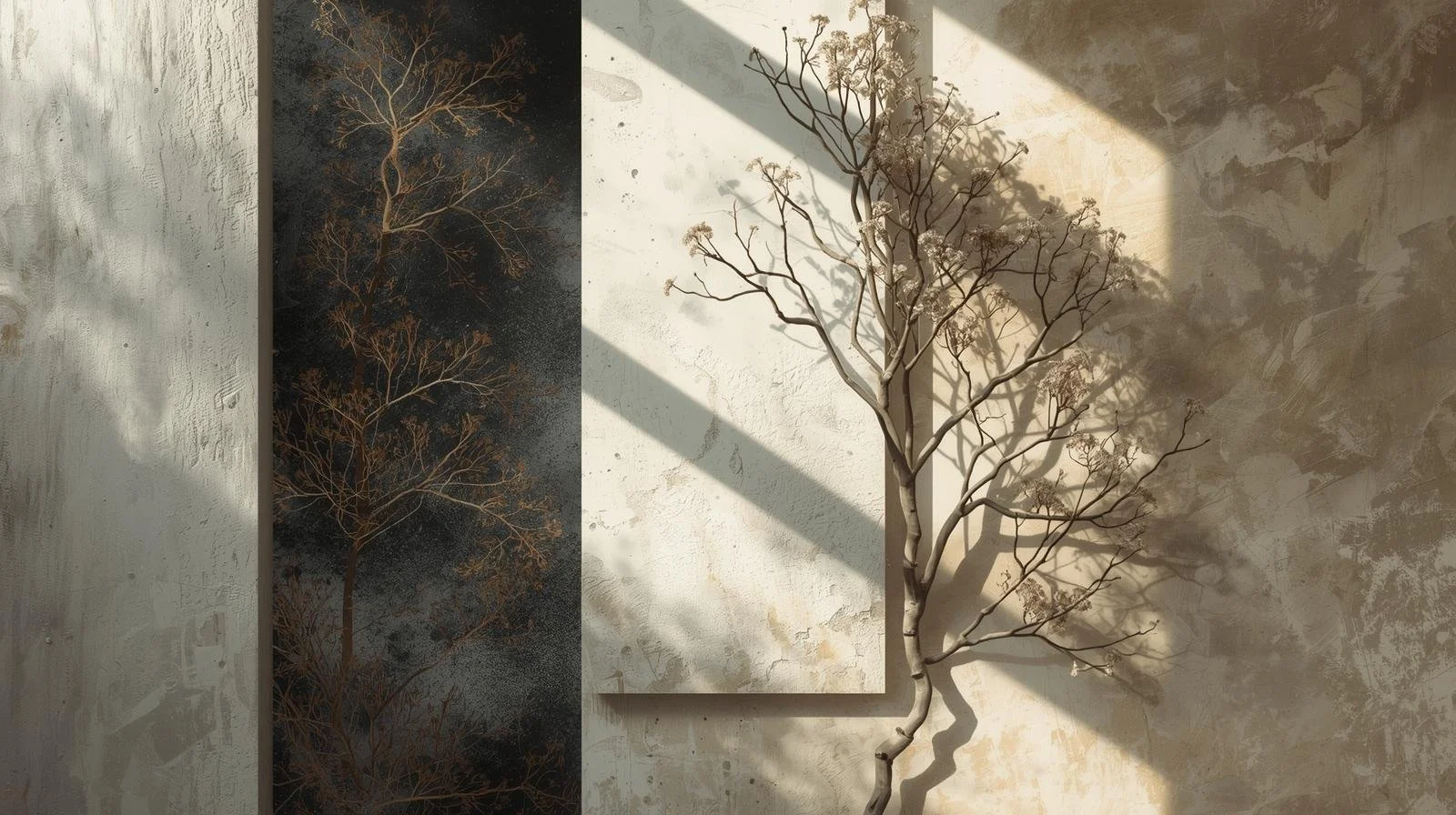
There is a strange intimacy in the way algorithms attempt to mimic human creativity. They reach toward forms and textures they cannot feel, and in that reaching something almost alive begins to flicker. Watching a machine generate a field of shapes and colors feels like witnessing a quiet conversation between logic and longing.
In today’s creative landscape, algorithms are reshaping the language of painting. They are no longer limited to technical assistance. They explore infinite compositions, delicate surface textures, and bold chromatic worlds before a physical brush even touches the canvas. They perceive patterns invisible to us: subtle gradients, micro symmetries, emotional color clustering. Yet they remain directionless without human intuition. The real magic appears in collaboration, where human intention meets computational fluency. From immersive digital installations to editorial fashion imagery, the convergence of machine and artist is creating a new vocabulary of calculation and sensibility.
Visually, this world is intoxicating. Imagine moodboards where pastel chromes melt into soft glitch textures; neural network visuals sit beside translucent brushstrokes; lilac, pearl, smoke blue, and digital beige move together in unexpected harmony. A color-frequency chart becomes abstract art. A hand-drawn mark dissolves into algorithmic noise. The contrast feels intentional, vibrant, and unmistakably alive.
Working at the intersection of paint and code has reshaped me. Algorithms are not rivals; they are catalysts. They push me toward uncharted visual territory, sharpen my eye, and demand precision. The machine offers infinite possibilities, yet the moment of recognition, the quiet and intimate “yes, this is the one,” remains entirely human.
In the end, both the painterly and the digital strands of my practice feel less like separate chapters and more like parallel pulses. They shape each other. They challenge each other. I think about the first time I stood in front of Refik Anadol’s installation, the room dissolving into liquid data, and how it echoed the feeling I had years earlier in my childhood bedroom, brushing watercolor across scrap paper until the pigment bloomed. That early memory returns to me often, especially now, when I layer algorithmic textures beside hand-painted strokes, the way Coperni’s spray-on dress blurred couture with computation or the way Iris van Herpen’s sculptural silhouettes seem to breathe with digital motion. These cultural moments remind me that the future of art is not a departure from the past; it is an expansion of its vocabulary.
For artists like me, the real beauty lies in how these mediums meet. Paint slows me down and teaches me to listen. Code accelerates my vision and teaches me to look closer. The studio becomes a place where intuition sits comfortably beside iteration and where the old language of brush and pigment speaks fluently with the new language of pattern recognition and machine learning.